Blog

  • My working space

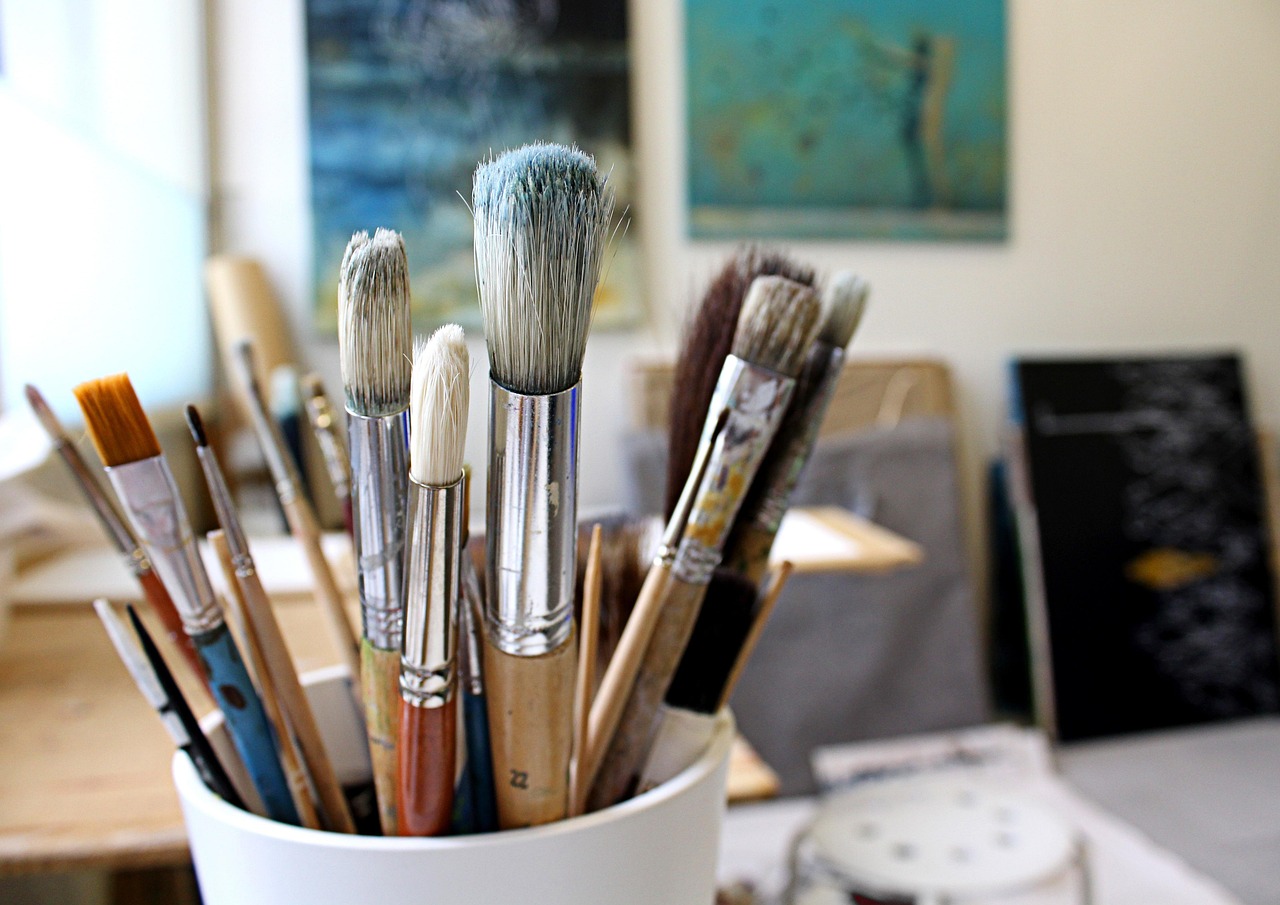
    My working space

    Where I Do My Best Work — And How I Design My Space for Focus and Inspiration

    There’s a quiet truth I’ve come to appreciate: great work rarely happens by accident. It’s not just about motivation or discipline—it’s about environment. Where I work, and how that space feels, has a direct impact on the quality of what I create.

    Over time, I’ve learned to be intentional about both.

    Finding the Right Place

    For me, the best work doesn’t happen everywhere—it happens in places that strike a balance between comfort and clarity.

    At home, I’ve carved out a dedicated workspace. It’s not necessarily large or perfectly designed, but it’s consistent. When I sit down there, my brain recognizes the cue: this is where things get done. That mental association is powerful.

    But I’ve also noticed that certain types of work benefit from a change of scenery. When I need fresh ideas or feel stuck, a café or library can reset my thinking. The gentle background noise, the presence of other people working—it creates a kind of shared momentum that’s surprisingly energizing.

    The key isn’t finding one perfect place. It’s understanding what each environment gives you, and using it intentionally.

    Designing for Focus

    A focused space isn’t about having less—it’s about having only what matters.

    I keep my desk deliberately simple. Just the essentials: my laptop, a notebook, a pen, and maybe a glass of water or coffee. Everything else is either stored away or removed entirely. Clutter doesn’t just take up physical space—it occupies mental space too.

    Lighting matters more than I expected. Natural light is ideal, but when that’s not possible, I use warm, soft lighting that reduces strain and makes the space feel inviting rather than sterile.

    Sound is another piece of the puzzle. Sometimes I work in silence, but more often I rely on instrumental music or ambient noise. Nothing with lyrics—those tend to compete for attention. The goal is to create a background that supports focus without demanding it.

    Building Rituals That Signal “Work Mode”

    What truly transformed my productivity wasn’t just the space—it was the rituals tied to it.

    Before starting, I take a minute to reset: clear the desk, open only the tabs I need, and decide exactly what I’m working on. That small act creates a boundary between distraction and intention.

    I also try to start work at roughly the same time each day. Consistency trains the mind. Over time, focus becomes less of a struggle and more of a habit.

    Even something as simple as making a cup of coffee before sitting down has become a signal: it’s time to begin.

    Keeping Inspiration Alive

    Focus alone isn’t enough—you also need inspiration.

    I keep a few carefully chosen items in my workspace that spark ideas or remind me why I’m doing what I do. A book I love, a minimal piece of art, or even a handwritten note with a meaningful quote. Not too many—just enough to add personality without becoming distractions.

    I also leave room for change. Every so often, I’ll rearrange something small: move the desk slightly, swap out a notebook, or introduce a new element. That subtle novelty can refresh how the space feels and keep it from becoming stale.

    Protecting the Space

    Perhaps the most important lesson: a good workspace needs boundaries.

    I try not to blur the line between work and everything else. When I’m done, I step away. If possible, I avoid using the same space for passive activities like scrolling or watching videos. That separation keeps the space mentally “clean.”

    It’s not about perfection—it’s about intention.

    Final Thoughts

    Your best work environment doesn’t need to be elaborate or expensive. What matters is that it works for you. A space that reduces friction, supports focus, and quietly encourages you to show up and do the work.

    Because in the end, productivity isn’t just about working harder—it’s about working in a space that makes great work feel natural.

    And once you find that, everything changes.
  • My inspiration

    My inspiration

    The Inspirations Behind My Work

    At the core of everything I create are the influences that shape how I see the world. My inspiration doesn’t come from just one place—it’s a blend of architecture, illustration, and animation. Each of these disciplines brings something different, and together they form the foundation of how I think, design, and create.

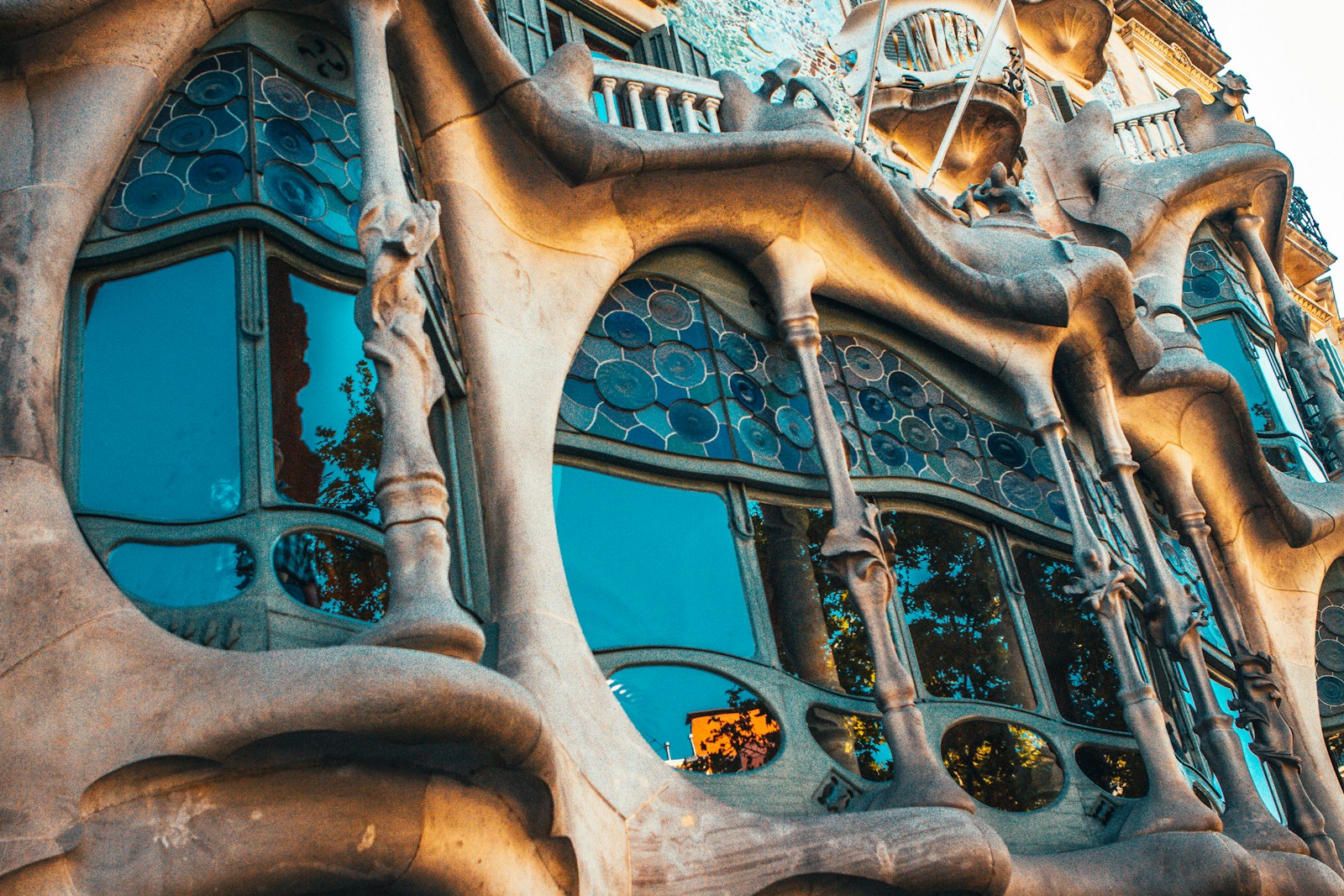
    One of the strongest influences on me is the work of Antoni Gaudí. What draws me in is his ability to break away from rigid structure and embrace organic forms. His work feels alive—fluid, detailed, and deeply imaginative. It reminds me that creativity doesn’t have to follow straight lines or predictable patterns. There’s freedom in letting ideas grow naturally, in allowing imperfections and curves to become part of the final piece.

    Alongside architecture, I’m constantly inspired by illustrators. There’s something powerful about how they can communicate entire stories, moods, and ideas through a single image. Illustrations capture moments in a distilled, intentional way. They remind me to focus on clarity and emotion—to think about what I want to say and how to say it visually, even when I’m not explicitly drawing.

    Animators influence me in a different but equally important way. Their work is about movement, timing, and transformation. They take still elements and bring them to life, frame by frame. That process resonates with me—it reflects how creative work often unfolds. Not all at once, but gradually, through iteration and patience. Animation teaches me to value progression, to understand that even small changes can build into something dynamic and meaningful.

    What connects all of these inspirations is a shared sense of imagination and craftsmanship. Whether it’s the intricate details in architecture, the expressive simplicity of illustration, or the fluid storytelling of animation, they all push me to look closer, think deeper, and create more intentionally.

    These influences don’t just inspire what I make—they shape how I approach the act of creating itself. They remind me to stay curious, to experiment, and to keep evolving. Because inspiration isn’t something static. It’s something you carry with you, something that quietly guides your work and helps you turn ideas into something real.

  • Current favorite supplies

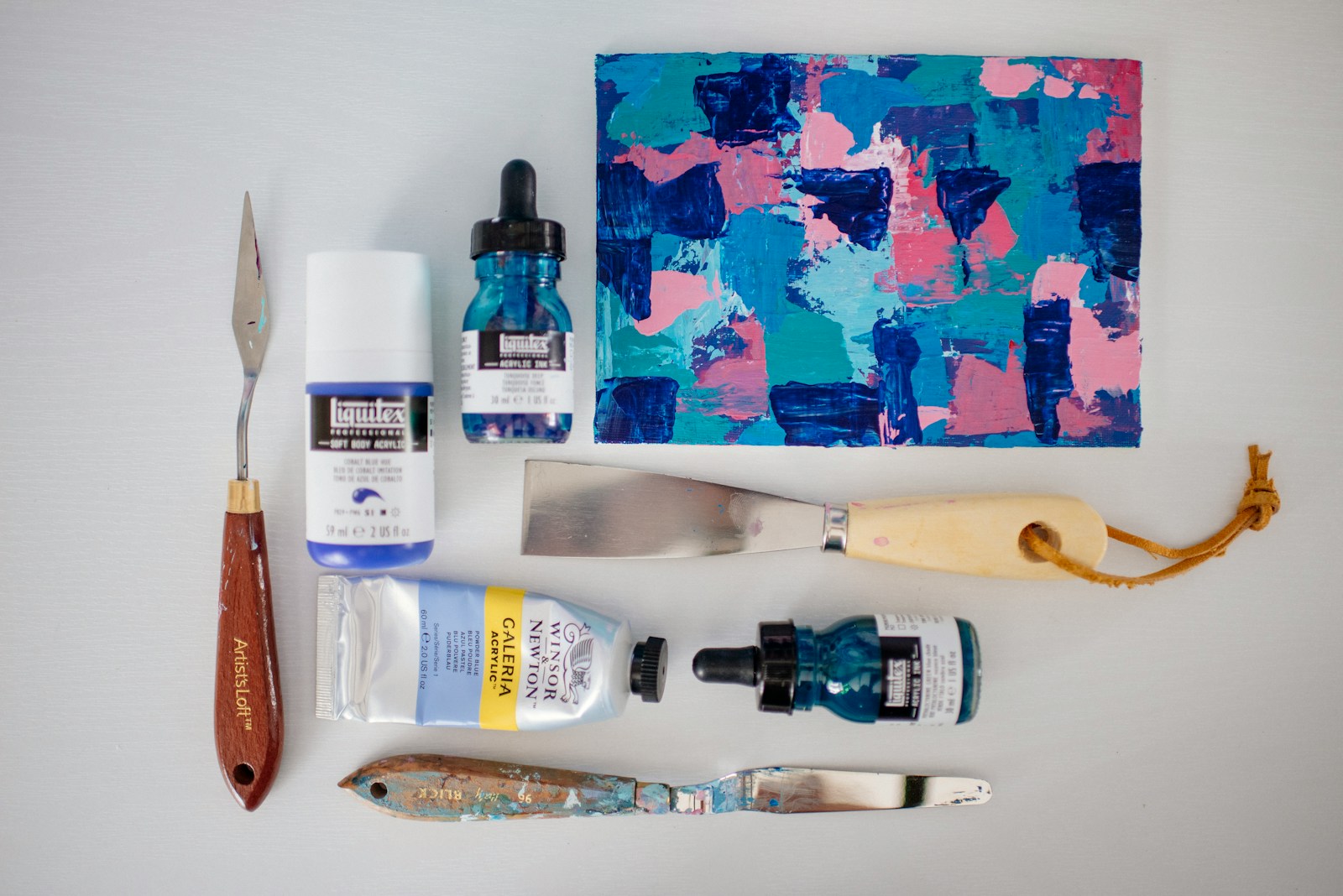
    Current favorite supplies

    Current Favorite Supplies

    The tools I use every day play a bigger role in my creative process than I used to admit. It’s not that good work depends on having the “perfect” supplies—but the right materials can make the process smoother, more enjoyable, and sometimes even more inspiring.

    Over time, I’ve naturally gravitated toward a small collection of favorites. These are the supplies I keep coming back to—the ones that feel reliable, comfortable, and quietly essential to how I work.

    Sketchbooks That Invite Ideas

    A good sketchbook is probably my most important tool. It’s where everything starts—rough ideas, quick drawings, unfinished thoughts.

    I tend to prefer sketchbooks with slightly textured paper. Not too rough, but not completely smooth either. That subtle resistance makes drawing feel more intentional, and it holds different mediums well. It also makes me less precious about what I put inside. It’s not about perfection—it’s about exploration.

    Pens and Liners I Can Trust

    When it comes to pens, I look for consistency above all else. I like fineliners that don’t smudge easily and have a steady ink flow. There’s something satisfying about a pen that just works every time you pick it up.

    I usually keep a small range of tip sizes nearby. Thinner lines for details, slightly thicker ones for emphasis. That flexibility makes a big difference, even in simple sketches.

    Pencils for Thinking, Not Just Drawing

    Pencils are where most ideas begin. They feel less permanent, which makes it easier to experiment.

    I like working with softer graphite for sketching—it moves easily across the page and allows for quick adjustments. It keeps the process fluid. Nothing feels locked in too early, which is exactly what I need when I’m still figuring things out.

    Digital Tools That Stay Out of the Way

    Even though I enjoy working on paper, digital tools are a big part of my workflow.

    What matters most to me is that they don’t get in the way. A clean interface, intuitive controls, and a natural drawing feel make all the difference. I don’t want to think about the tool while I’m creating—I want it to feel like an extension of my hand.

    Small Details That Make a Difference

    There are also a few small things I’ve come to appreciate more than expected.

    Good lighting, for example. It changes how colors appear, how comfortable it is to work for longer periods, and even how focused I feel.

    I also keep basic supplies within reach—erasers, sharpeners, and a ruler. Nothing complicated, just the essentials that support the process without interrupting it.

    Keeping It Simple

    If there’s one thing I’ve learned, it’s that I don’t need a huge collection of tools. In fact, having too many options can be distracting.

    I prefer a small, carefully chosen set of supplies that I know well. Tools I trust. Tools that feel familiar.

    Because in the end, it’s not about the supplies themselves—it’s about what they allow me to create.

    And the best ones are the ones that quietly disappear into the process, leaving nothing between the idea and the page.

Hello everyone!

Thank you for clicking on this young artist’s page. I can’t wait to show you my work—where every project starts with a simple line.